


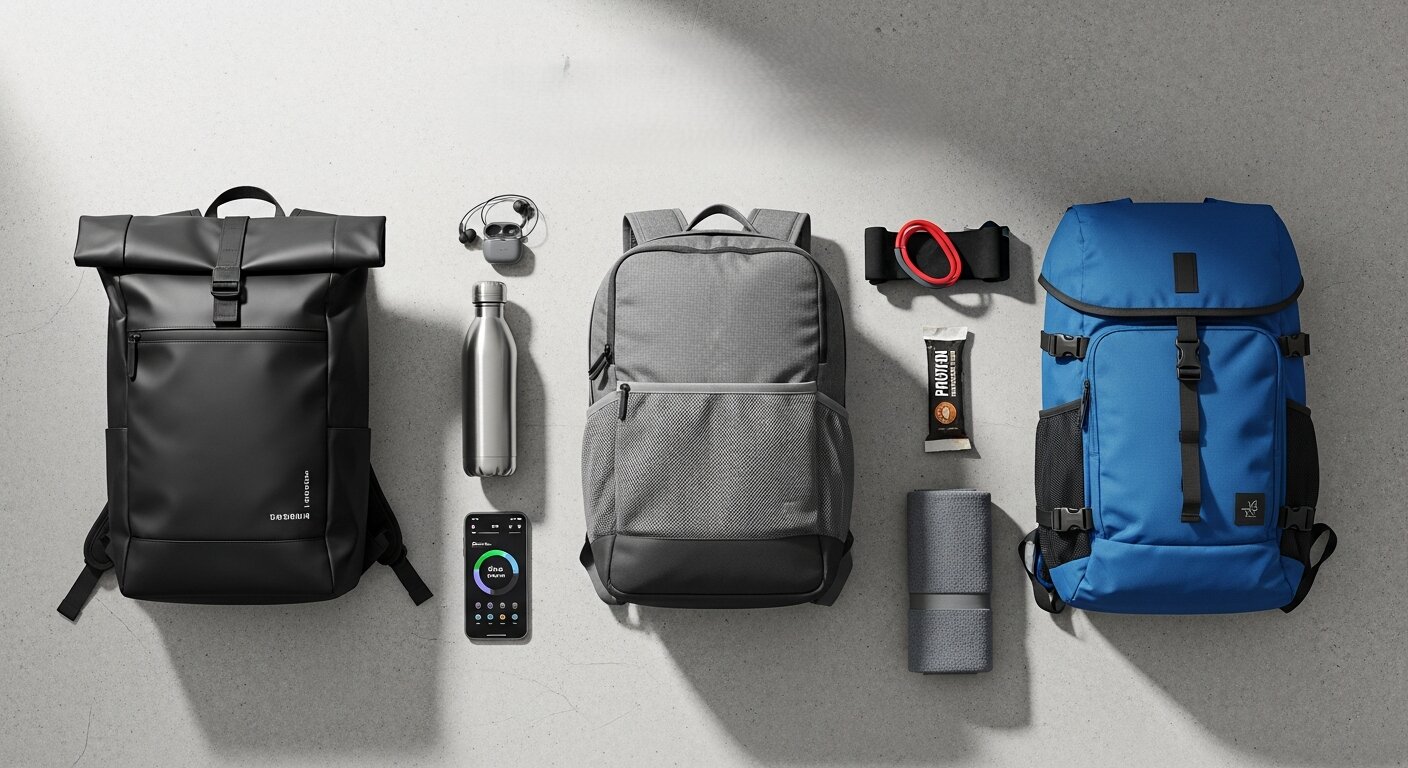
Finding the perfect storage solution transforms your daily workout routine. Whether you carry chalk, sleeves, or shoes, you need reliability. The market offers countless options, but discovering top gym backpacks specifically designed with external belt holders changes everything for dedicated weightlifters and fitness enthusiasts seeking ultimate organization.
This comprehensive guide explores everything you need to know about selecting the ideal bag for your lifting equipment. We analyze crucial durability factors, ergonomic designs, and functional storage solutions. You will learn expert packing strategies, discover common purchasing mistakes, and understand exactly how external belt holders protect your gear while maximizing internal space.
Why You Need Top Gym Backpacks for Weightlifting
When you transition from casual fitness routines to serious strength training, your equipment needs multiply. Standard bags fail to accommodate the bulky, rigid nature of specialized lifting gear. You quickly realize that cramming a leather lever belt into a traditional duffel compromises the belt’s structural integrity and leaves no room for your shoes, supplements, or post-workout recovery tools.
The Problem with Standard Bags
Traditional athletic bags prioritize general utility over specialized function. They feature single, massive compartments that turn your expensive gear into a tangled mess. When you place a sweaty shirt next to a premium lifting belt, the moisture degrades the leather over time. Furthermore, the lack of structured support in standard duffels causes them to sag, placing undue stress on the zippers when fully loaded with heavy equipment like knee sleeves, wrist wraps, and liquid chalk.
The Solution: Dedicated Belt Holders
Manufacturers designed top gym backpacks to solve these exact problems. By moving the bulkiest item—the lifting belt—to the exterior of the bag, you immediately free up massive amounts of internal volume. External belt loops or dedicated strap systems keep your belt securely fastened to the front or bottom of the pack. This design allows the belt to air out after a grueling session, preventing odor buildup and material degradation. It also provides immediate access to your most crucial piece of protective equipment as soon as you step onto the gym floor.
Key Features to Look for in Top Gym Backpacks
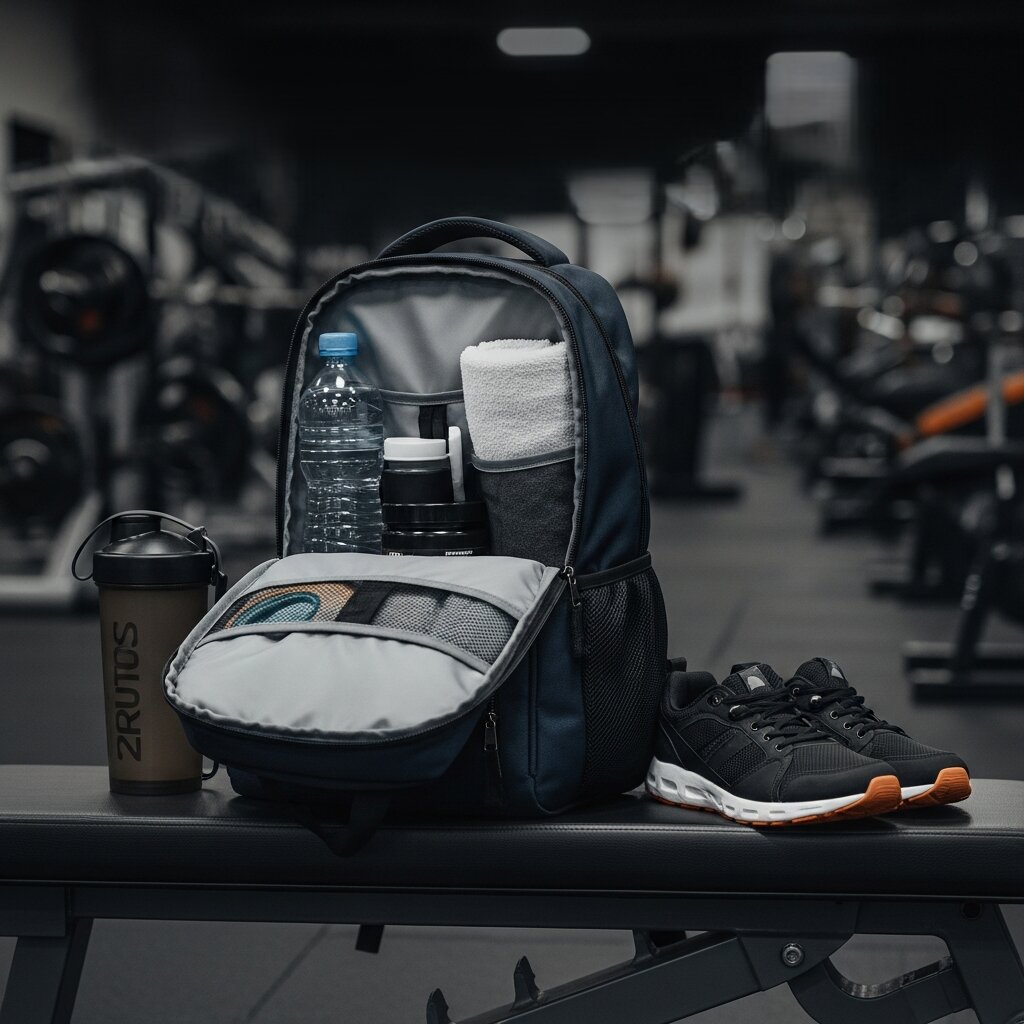
Selecting the right equipment requires attention to specific engineering details. You must evaluate these bags the same way you evaluate your strength training accessories: by examining their construction, materials, and long-term durability under heavy use.
Material Durability and Stitching
The foundation of any reliable equipment bag lies in its textile construction. Look for materials like 1000D Cordura nylon or heavy-duty ballistic canvas. These fabrics resist tears, punctures, and abrasion from rough gym floors and locker room environments. Pay close attention to the stitching, specifically seeking out double or triple-stitched seams at major stress points. Bartack stitching at the shoulder strap attachments ensures the bag will not fail when loaded with heavy shoes, water bottles, and gear. High-quality thread makes a significant difference in preventing blowout failures over years of use.
Compartment Organization
Organization dictates the efficiency of your training session. A premium pack offers specific zones for different items. You need an isolated, ventilated compartment for damp clothes or weightlifting shoes to prevent bacteria spread. A dedicated laptop sleeve is essential for professionals transitioning directly from the office to the gym. Additionally, fleece-lined pockets protect valuables like watches, rings, and smartphones from scratching. The internal layout should allow you to instinctively reach for your grip straps or pre-workout without digging through a chaotic pile of fabric.
Ergonomics and Comfort
Carrying heavy gear requires proper weight distribution to prevent shoulder and back strain. Contoured shoulder straps padded with high-density EVA foam conform to your body shape. A sternum strap and a removable waist belt help stabilize the load, keeping the pack tight against your center of gravity during transit. The back panel should feature air-mesh ventilation channels to promote airflow, reducing sweat accumulation during your commute. According to ergonomic studies from the American Council on Exercise, proper load distribution is critical for preventing muscular imbalances.
Analyzing the Market: Comparison of Features
Understanding how different design philosophies stack up helps clarify your purchasing decision.
|
Feature Category |
Standard Duffel Bag |
Tactical Gym Backpack |
Premium Lifting Pack |
|---|---|---|---|
|
Belt Storage |
Internal (Cramped) |
External Molle Systems |
Dedicated External Straps |
|
Shoe Compartment |
Sometimes included |
Rare |
Always included, vented |
|
Material Strength |
400D – 600D Polyester |
1000D Nylon |
High-Density Canvas/Nylon |
|
Ergonomics |
Single shoulder strap |
Double strap, rigid back |
Contoured, padded mesh |
|
Laptop Sleeve |
None |
Basic unpadded |
Suspended, padded |
Actionable Insights for Choosing Your Gear
Making an informed decision requires matching the bag’s specifications to your daily routine. You must assess what you actually carry on a daily basis to avoid overpaying for unnecessary volume or struggling with a bag that is too small.
Assessing Your Daily Routine
Track your gym carries for a full week. Note every item you transport. If you commute via public transit, a vertical, streamlined backpack profile prevents you from bumping into other passengers. If you drive and use the bag solely from the trunk to the locker room, you might prioritize maximum volume over a slim profile. Consider your workout nutrition protocols; if you carry multiple shaker bottles and meal prep containers, ensure the side pockets are deep enough and feature elastic retention to secure large vessels.
Sizing the Bag for Your Belt
Not all belt holding systems work with every type of belt. You need to match the strap length and fastening mechanism to your specific gear.
- Nylon Velcro Belts: These are highly flexible and fit into almost any external strap system or side pocket loop.
- Single-Prong Leather Belts: These require sturdy, adjustable straps that can wrap around the rigid leather without causing permanent creases.
- Lever Belts: The bulkiest option demands heavy-duty buckles and reinforced attachment points to handle the weight and inflexibility of the metal lever mechanism.
Expert Insights on Packing Your Gym Bag

Even top gym backpacks perform poorly if packed incorrectly. Professional athletes and seasoned lifters use specific strategies to maximize space, protect equipment, and maintain hygiene.
The Layering Technique
Weight distribution matters for comfort and bag longevity. Place the heaviest items, such as your lifting shoes and large liquid containers, at the bottom of the main compartment. This lowers the center of gravity and prevents the bag from tipping over when set on the ground. Stack medium-weight items like knee sleeves and extra clothing in the middle. Reserve the top section for lightweight, frequently accessed items like headphones, gym journals, and resistance bands. Always secure your weightlifting belt types on the exterior last to tighten the overall load.
Moisture Management
Gym bags are notorious breeding grounds for odor-causing bacteria. To combat this, implement a strict moisture management protocol. Utilize the ventilated shoe compartment exclusively for footwear. Carry a secondary, dry-bag style pouch for sweaty clothes after your session. Drop a few cedar blocks or activated charcoal pouches into the bottom of the main compartment to absorb ambient moisture and neutralize odors naturally. Never leave damp gear in your bag overnight; empty and air out the pack immediately upon returning home.
Common Mistakes to Avoid When Buying
Many fitness enthusiasts waste money by falling for aesthetic appeal while ignoring functional red flags. Avoid these common pitfalls to ensure your investment lasts through years of heavy training.
Ignoring Zippers and Hardware
The zipper is the most common point of failure on any bag. Buyers often inspect the fabric while ignoring the closure systems. You must look specifically for YKK zippers or equivalent heavy-duty hardware. Flimsy, unbranded zippers will derail, snag, or break under the tension of a fully stuffed bag. Similarly, plastic buckles on the belt holding straps must be thick and robust. Cheap plastic shatters when dropped on a hard gym floor or exposed to extreme cold in a car trunk.
Overlooking Ventilation
A sealed bag traps sweat, leading to mildew and permanent odors that ruin both the bag and your gear. Failing to check for grommet holes, mesh panels, or breathable fabrics is a critical error. Even if you practice perfect hygiene, ambient moisture from locker rooms will accumulate. Ensure the designated shoe compartment and dirty laundry sections feature visible venting mechanisms to promote active air circulation.
Falling for Gimmicks Over Function
The fitness industry constantly pushes bags with excessive, useless features. Avoid bags burdened with complex, proprietary charging ports, built-in speakers, or excessive micro-pockets that are too small to hold anything useful. Focus on core functionalities: durability, spacious main compartments, reliable belt straps, and comfortable carry systems. Complexity introduces more failure points. A simple, rugged design almost always outlasts a gadget-heavy alternative.
Maximizing the Lifespan of Top Gym Backpacks
Proper maintenance extends the life of your equipment significantly. Treating your bag with care ensures it continues to protect your gear and look professional.
Cleaning and Maintenance Protocols
You must clean your bag regularly. Start by emptying all compartments and shaking out chalk dust, crumbs, and debris. Use a damp microfiber cloth with mild soap to spot-clean the exterior fabric, paying special attention to the bottom panel that touches gym floors. For the interior, wipe down linings with an antibacterial wipe to kill odor-causing germs. Never put structured, heavy-duty backpacks in a washing machine, as the agitation destroys internal padding, warps back panels, and ruins water-resistant coatings. Instead, hand wash stubborn stains and allow the bag to air dry completely in a shaded, well-ventilated area.
Storage Best Practices
When you take a rest week or rotate your gear, store your bag properly. Empty all contents, especially food and damp items. Leave all zippers open to allow the interior to breathe. Store the bag in a cool, dry closet rather than a damp garage or a hot car trunk, as extreme temperatures degrade nylon fibers and weaken synthetic stitching over time.
The Evolution of Lifting Gear Storage
Understanding how equipment transport has changed gives context to why modern designs are so highly engineered.
From Duffles to Tactical Packs
Decades ago, lifters relied on simple canvas duffel bags. These were durable but offered zero organization. As sports science advanced and athletes began utilizing specialized gear like knee sleeves, lifting straps, and custom footwear, the need for organization grew. The industry adapted by borrowing designs from military tactical gear. The introduction of MOLLE (Modular Lightweight Load-carrying Equipment) webbing allowed users to attach external pouches and carabiners, customizing their storage. This military influence paved the way for the highly structured, durable top gym backpacks we see today.
Integrating Technology
Modern materials science has revolutionized bag construction. Early bags absorbed water and sweat, becoming heavy and foul-smelling. Today, manufacturers utilize durable water repellent (DWR) coatings and polyurethane-lined interiors to block moisture. Antimicrobial treatments applied directly to the textile fibers inhibit bacterial growth. The evolution of EVA foam has transformed shoulder straps from thin, painful webbing into supportive, ergonomic systems that make carrying fifty pounds of gear feel effortless.
Conclusion
Choosing the right gear storage fundamentally improves your daily training experience. By prioritizing durability, smart organization, and dedicated external belt holders, you protect your valuable equipment and streamline your routine. Invest in top gym backpacks that align with your specific carrying needs, and step into the weight room with confidence, completely prepared to execute your next heavy session.
FAQs
1. What makes a backpack suitable for heavy weightlifting gear?
A backpack becomes suitable for heavy gear when it utilizes high-denier fabrics (like 1000D nylon), features reinforced double-stitching at stress points, and includes heavy-duty hardware like YKK zippers. It must also have a structured base to support heavy items like shoes and liquid chalk without sagging.
2. How do external belt holders work on these bags?
External belt holders typically consist of two heavy-duty, adjustable straps located on the front or bottom of the bag. You unclip the straps, slide your lifting belt through, and tighten the straps down. This secures the rigid belt to the outside, saving massive amounts of interior space.
3. Can I fit a lever belt in these external holders?
Yes, most premium packs with adjustable external straps accommodate lever belts. You just need to ensure the straps are long enough to wrap around the added thickness of the metal lever mechanism without scratching it.
4. Why are dedicated shoe compartments necessary?
Dedicated shoe compartments isolate dirty, sweaty weightlifting shoes from your clean clothes, towels, and electronics. They usually feature ventilation grommets that allow the shoes to dry out, preventing bacteria growth and foul odors from spreading throughout the bag.
5. How do I clean chalk out of the interior lining?
To remove chalk, first empty the bag and vacuum the interior using a brush attachment. Then, use a damp cloth to wipe down the lining. Do not use excessive water, as it can cause the chalk to turn into a paste and bind with the fabric fibers.
6. Are tactical backpacks better for lifting than traditional sports bags?
Tactical backpacks are generally superior for lifting because they use stronger materials, offer better modular organization through webbing, and feature ergonomic designs meant to carry heavy loads comfortably. Traditional sports bags often lack this structural integrity.
7. What size backpack do I need for standard gym equipment?
For a standard carry (belt, shoes, sleeves, water bottle, clothes), a capacity between 30 to 40 liters is ideal. This provides enough volume for essentials without being overwhelmingly bulky for daily commuting or locker storage.
8. Will these bags fit in a standard gym locker?
Most 30L to 40L backpacks are designed specifically to fit vertically inside standard gym lockers. Their structured design helps them stand upright, making it easier to access your gear while the bag remains inside the locker.
9. Can I use these backpacks as carry-on luggage?
Yes, the vast majority of gym packs under 45 liters meet standard airline carry-on dimensional requirements. Their robust construction and laptop sleeves make them excellent dual-purpose bags for fitness-focused travelers.
10. How do I prevent the bag from smelling over time?
Preventing odors requires a proactive approach. Never leave wet gear inside overnight. Utilize the ventilated compartments properly, wipe down the interior weekly with antibacterial wipes, and consider leaving moisture-absorbing charcoal packets in the main compartment to trap ambient smells.
